Electric scooters have undergone one of the most dramatic transformations in the world of personal mobility. What once began as a small, recreational device has become a major pillar of urban transportation. In 2026, e-scooters are woven into the daily routines of millions of commuters, reshaping how cities function and how people move within them.
This evolution didn’t happen overnight. It reflects years of innovation, shifting lifestyle trends, environmental awareness, and an increasing global demand for efficient micro-mobility solutions.
Early Beginnings: A Simple, Recreational Gadget:
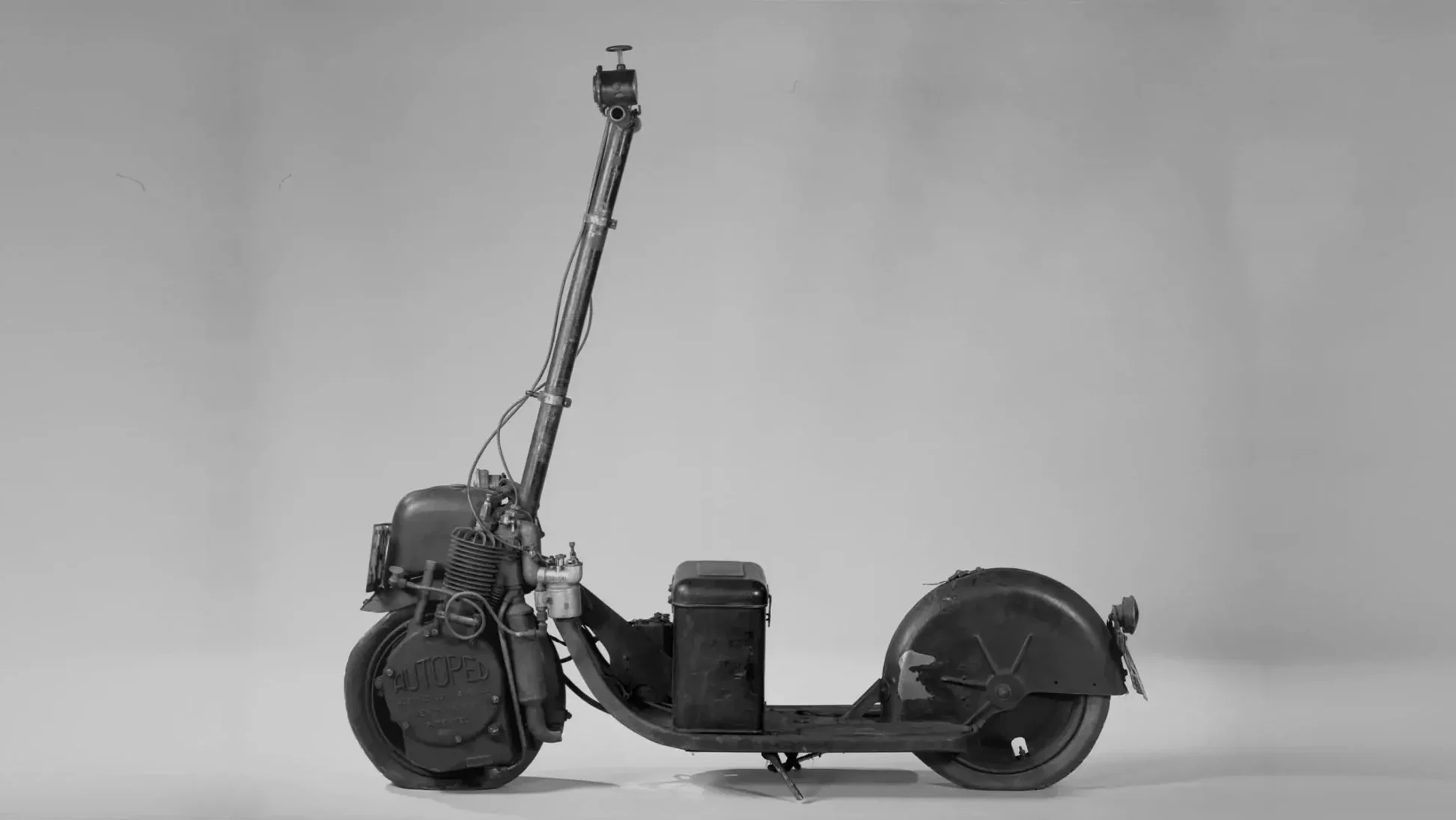
Electric scooters first appeared in the early 2000s as lightweight devices powered by modest lead-acid batteries and small motors. Their limited range, slow speeds, and basic construction positioned them more as toys than transportation tools.
Typical early features included:
Short ride times
Minimal braking capability
Basic frames with limited durability
No suspension or stability enhancements
These scooters were fun for short bursts of recreational riding but were not yet practical for daily travel.
The Turning Point: Lithium-Ion Batteries and Brushless Motors:
The true revolution began with the widespread adoption of lithium-ion battery technology.
These batteries were lighter, more powerful, and significantly more efficient, leading directly to:
Increased range
Longer battery lifespan
Higher maximum speeds
Reduced weight
More realistic commuting potential
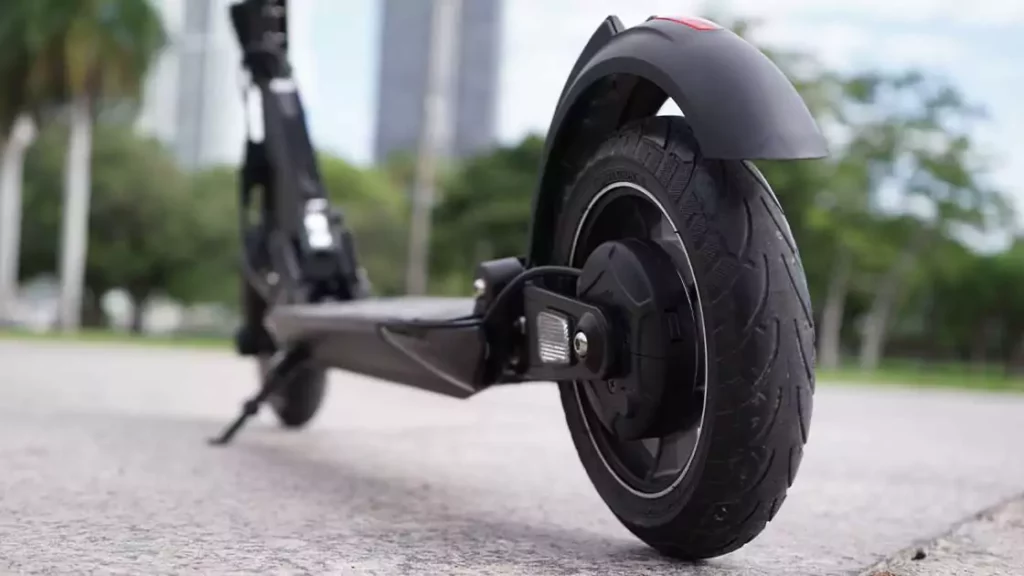
Brushless electric motors further accelerated performance gains, providing smoother acceleration, better energy management, and stronger power delivery.
Manufacturers followed with:
Improved braking systems
Better suspension
Reinforced frames
Safer electronics
Enhanced handling
Suddenly, the electric scooter was no longer a novelty — it was becoming a real mobility option.
Global Popularity Surge: The Rise of Shared Scooters:
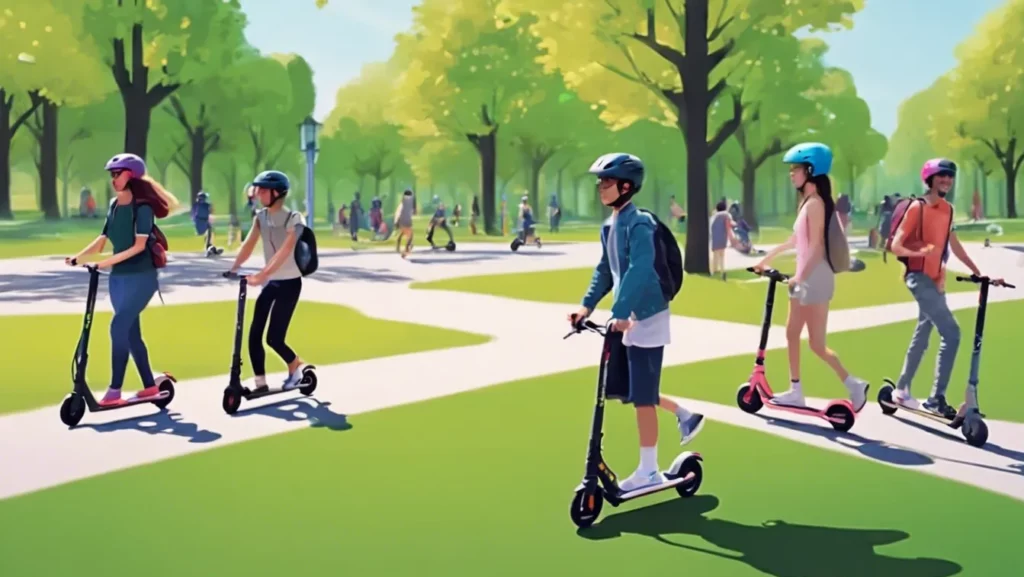
The late 2010s introduced a wave of global scooter-sharing programs from companies like Bird, Lime, and others.
The impact was immediate:
Millions of people tried electric scooters for the first time
Urban areas experienced reduced traffic congestion
Last-mile commuting became faster and easier
Cities began incorporating micro-mobility into planning and policy
Shared scooters opened the door for widespread adoption. Consumers began purchasing their own scooters, appreciating the independence, affordability, and environmental benefits.
The Modern Era: Specialized, Connected, High-Performance Scooters:
By the 2020s, electric scooters evolved into a wide range of categories suitable for nearly every type of rider.
Modern advancements include:
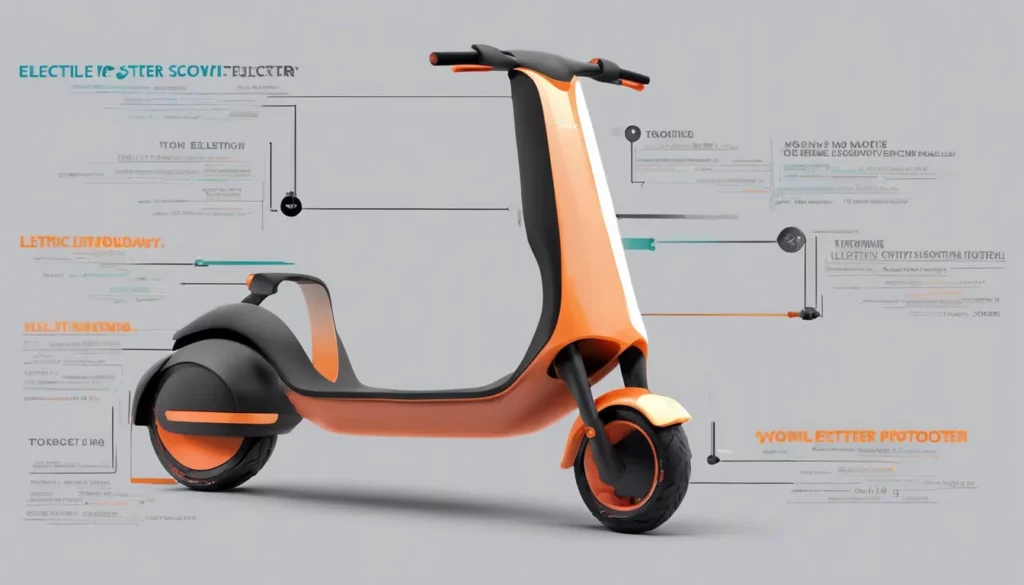
App-connected dashboards
Regenerative braking
Adjustable riding modes
Enhanced LED lighting systems
Improved safety integration
Greater weather resistance
Scooters now cover:
Urban commuting
Long-distance travel
Off-road exploration
High-speed recreational riding
Lightweight “micro-commute” options
With sustainability becoming a major global priority, e-scooters emerged as an eco-friendly, low-emission transportation choice.
The Road Ahead: What to Expect Beyond 2026:
Electric scooter innovation continues at a rapid pace. The future is expected to bring:
✔ Better battery density
Longer range, faster charging, and improved durability.
✔ Smarter safety systems
AI-supported traction control, adaptive lighting, and predictive maintenance alerts.
✔ Stronger integration into city infrastructure
Dedicated e-scooter lanes, parking hubs, and charging stations.
✔ Lightweight composite materials
Higher strength with reduced overall weight.
✔ Expanded global adoption
As cities redesign streets for micro-mobility, e-scooters will play a central role in reducing congestion and emissions.
Electric scooters have officially graduated from novelty items to urban essentials, and their impact on city life will only continue to grow.
FAQs — Evolution of Electric Scooters (2026):
Their popularity surged in the late 2010s due to scooter-sharing programs and advances in battery technology.
Lithium-ion batteries, brushless motors, improved suspension, and upgraded braking systems.
Yes. They produce no tailpipe emissions and offer a cleaner alternative to short-distance car travel.
Many have introduced dedicated lanes, updated traffic laws, and incorporated micro-mobility into long-term planning.
Expect smarter safety features, better battery performance, and deeper integration into urban transport networks.