Wear the Right Safety Gear
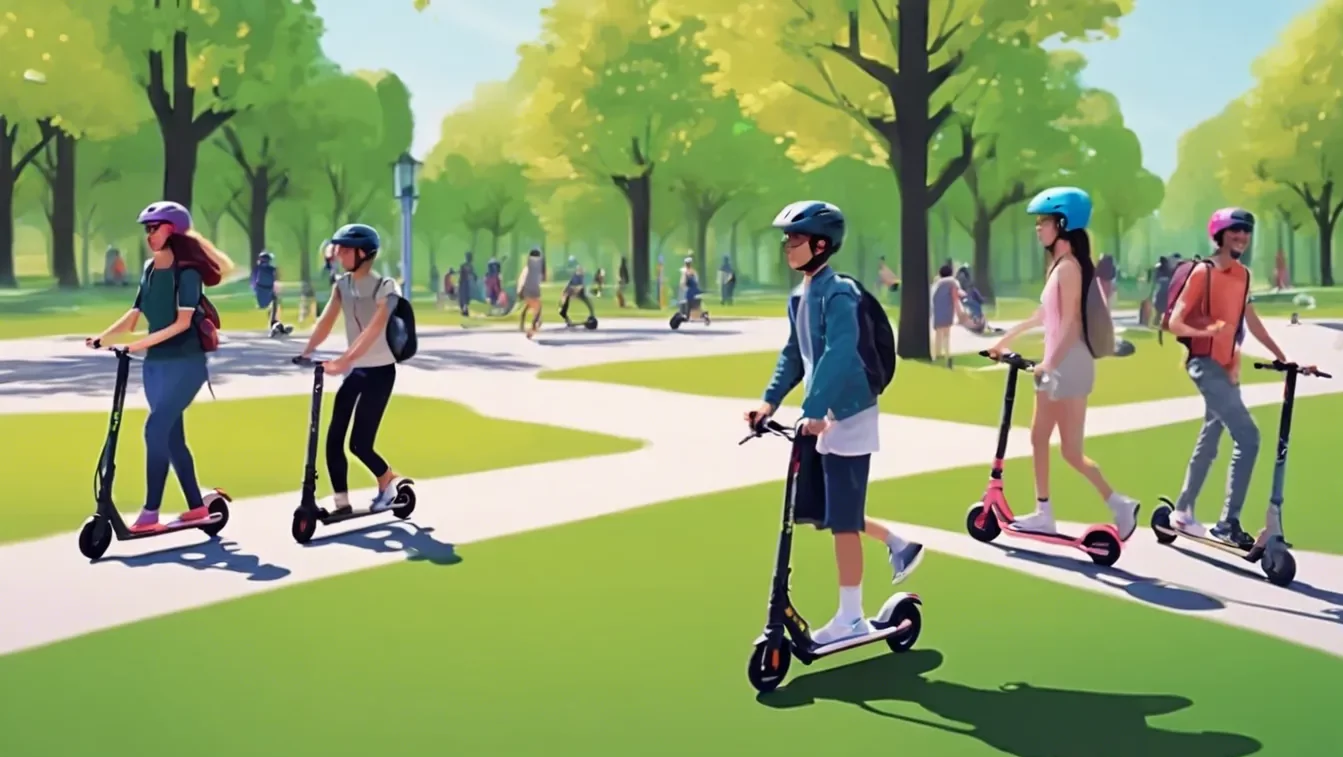
Your gear is your first line of defense. A certified helmet is the most important item—most injuries happen during slow-speed falls, not high-speed crashes. Add knee pads, elbow pads, and wrist guards if you ride often or at higher speeds. Bright or reflective clothing helps drivers notice you, especially during early morning, evening, or nighttime rides.
Check Your Scooter Before Every Ride
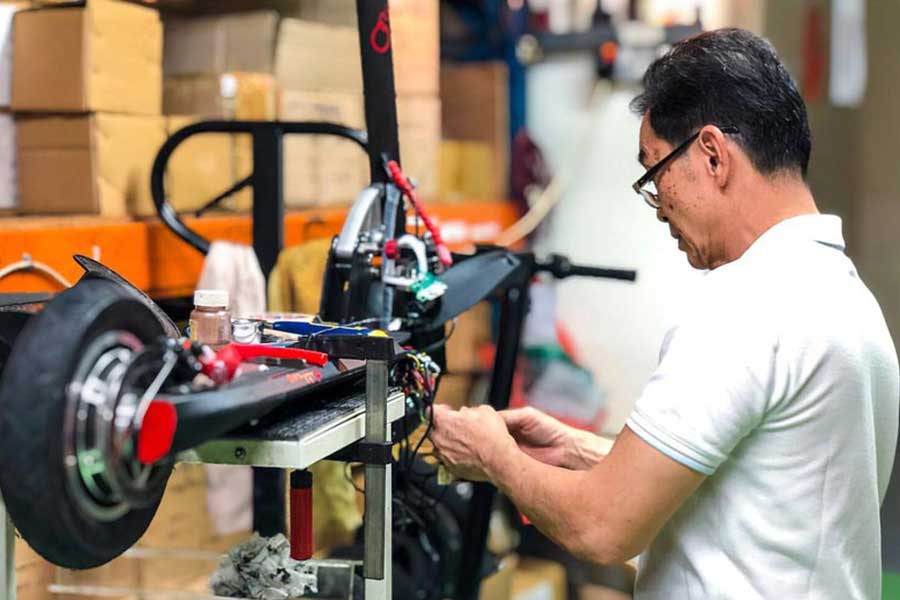
A quick 20-second inspection can prevent accidents. Look for secure handlebars, tight screws, proper tire pressure, working front and rear lights, and responsive brakes. A loose stem or underinflated tire can turn a simple ride into a dangerous situation. If something feels off, pause your ride and fix the issue before continuing.
Learn Smooth Acceleration and Braking
Electric scooters deliver instant torque the moment you press the throttle. Accelerate gently until you get comfortable. Braking is just as important—practice applying both mechanical and electronic brakes smoothly. Sudden braking can cause skidding, especially on wet pavement. The more predictable your inputs are, the safer your ride will be.
Ride Defensively in Traffic
Drivers often do not expect scooters on the road. Stay visible at all times and avoid blind spots. Maintain a predictable line, signal turns clearly with your arm, and make eye contact with drivers whenever possible. Ride in bike lanes where permitted, and follow the same traffic rules as cyclists. Never weave between cars or cut across lanes suddenly.
Watch Out for Road Hazards
Scooters have smaller wheels than bicycles, making them more sensitive to potholes, gravel, metal covers, and uneven surfaces. Slow down on unfamiliar roads and avoid wet leaves, sand, and painted lines when it’s raining. If you must cross a bump or track, do it slowly and at a straight angle to avoid wheel slip.
Stay Within Your Skill Level
Many modern scooters offer sport modes and high-top speeds. Resist the temptation to use them before you’re ready. If you are new to scooters, stay in ECO or Standard mode. Once your
riding feels natural—turning, braking, swerving, and handling bumps—you can gradually explore higher performance modes.
Practice Good Battery and Motor Habits
Riding at full throttle all the time doesn’t just reduce your range—it strains the motor and battery. Keep an eye on your charge level during rides, and avoid riding aggressively when the battery dips below 15%. If your scooter becomes unusually hot, give it a break. Healthy riding habits extend the life of your scooter and improve safety.
Respect Local Laws and Regulations
Every region has different rules about where and how scooters can operate. Some cities allow scooters in bike lanes; others require specific speed limits or safety gear. Follow posted signs and stay informed about the rules in your area. Responsible riding leads to safer roads for everyone.
Conclusion
Electric scooters offer freedom, convenience, and enjoyment—but only when used responsibly. With the right gear, proper technique, and awareness of your surroundings, you’ll ride with confidence and stay safe on every trip. A little caution goes a long way toward ensuring your scooter remains a reliable and enjoyable part of your daily life.
SEO-Optimized FAQs
At minimum, riders should wear a certified helmet. Additional protection like knee pads, elbow pads, and wrist guards is recommended for higher speeds or rough roads.
Yes, as long as you ride defensively, stay visible, signal your intentions, and use bike lanes where allowed. Avoid weaving between cars or riding in driver blind spots.
3. How fast should beginners ride an electric scooter?
Beginners should stay in ECO or Standard mode, typically riding between 10–15 mph (16–24 km/h) until they develop strong control and confidence.
Beginners should stay in ECO or Standard mode, typically riding between 10–15 mph (16–24 km/h) until they develop strong control and confidence.
Check tire pressure, brakes, lights, handlebar tightness, and battery level. A quick inspection helps prevent breakdowns and reduces the risk of accidents.
Light rain is manageable on many scooters, but riders should slow down and avoid slippery surfaces. Heavy rain reduces visibility and traction—it’s best to avoid riding during storms.