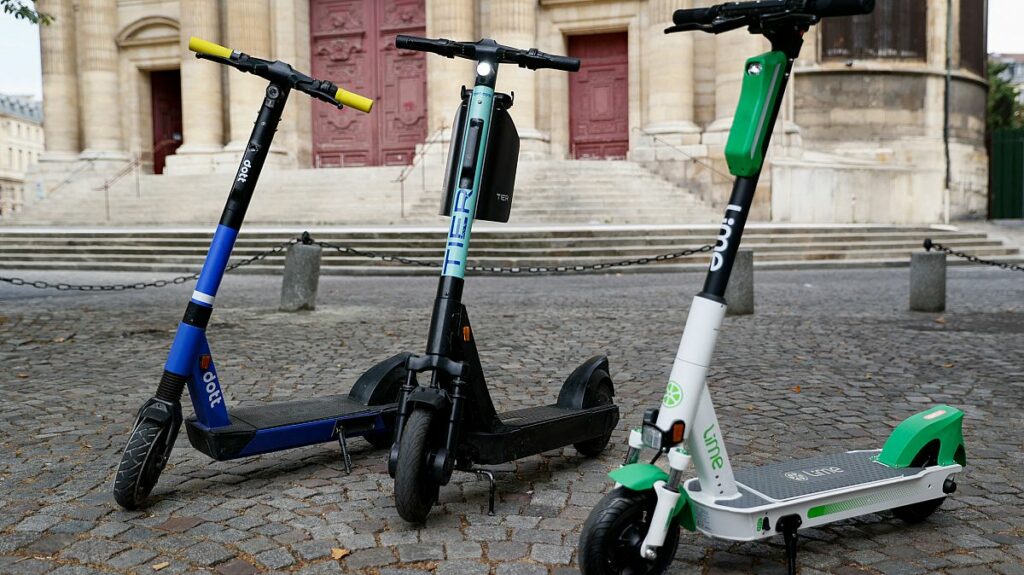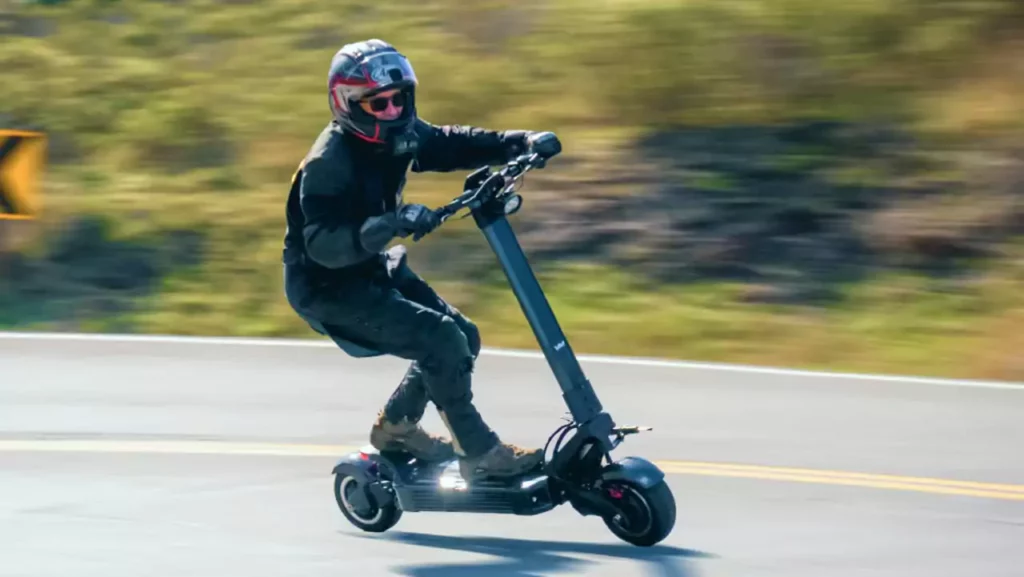

Electric scooters have become a major part of modern transportation, but the laws governing their use vary widely across different countries and regions. As electric scooters continue to expand into cities worldwide, understanding the legal framework is essential for staying compliant, safe, and informed.
This 2026 content-only update provides a clear overview of how electric scooters are typically regulated in the United States, United Kingdom, Ireland, Canada, and Australia — without getting into region-specific technicalities or changing municipal policies.
United States (2026):
Electric scooter regulations in the US are handled at the state and local level, which means rules can differ from one city to the next.
Most regions focus on:
Age requirements for riders
Helmet guidelines
Appropriate riding areas (bike lanes, low-speed roads, shared paths)
Speed limitations
Whether sidewalks are permitted
Lighting requirements for night riding
Shared scooter programs often operate under additional municipal agreements, and some cities require riders to follow specific parking or zone rules.
Overall, electric scooters are widely permitted for personal transportation, but riders should always verify local guidelines before riding.
United Kingdom (2026):
In the United Kingdom, electric scooter laws remain more restrictive. Public use of rental e-scooters is permitted in selected areas under government-regulated trials, generally for riders who meet minimum age and licensing requirements.
Privately-owned electric scooters are still subject to stricter regulations and may be limited to private property only unless future policy updates expand where they can legally operate.
As the UK continues evaluating micromobility solutions, regulations may evolve, but riders should follow the latest guidance from local authorities.
Ireland (2026):
Ireland has been modernizing its electric scooter regulations to support micromobility growth. Recent legislative updates allow electric scooters to be operated on public roads under defined safety rules.
Typical guidelines include:
Following standard road laws
Respecting speed and path restrictions
Using proper lighting and visibility equipment
Riders are encouraged to stay updated, as regulations continue developing in response to micromobility trends.
Canada (2026):
Canada’s electric scooter laws are set at the provincial and municipal levels, resulting in diverse rules nationwide.
Common considerations across many regions include:
Helmet requirements
Approved riding areas
Maximum speed guidelines
Night-riding rules
Age minimums
Road-sharing expectations
Some cities run e-scooter pilot programs, while others allow privately-owned scooters under specific conditions. Riders should consult local transportation authorities for the most accurate information.
Australia (2026):
Australia maintains a state-by-state regulatory structure for electric scooters, similar to Canada and the US.
Typical regulations often address:
Where scooters can be ridden
Maximum speed limits
Required safety gear (helmets are often mandatory)
Daylight vs. nighttime riding rules
Local road-sharing laws
Australia continues to update micromobility laws as adoption grows, making periodic rule reviews essential for riders.
Universal Rule: Know the Local Law
Regardless of location, all riders should follow a few universal principles:
✔ Understand local rules before riding
✔ Wear appropriate safety gear
✔ Use designated riding areas
✔ Stay visible when traveling at night
✔ Follow posted speed and traffic guidelines
✔ Respect pedestrians and shared pathways
Ignorance of the law doesn’t protect you from fines — or from unnecessary risks.
Following local regulations keeps you legal, keeps you safe, and keeps electric scooter programs running smoothly for everyone.
FAQs — Electric Scooter Legality (2026):
No. Regulations vary widely by country, state, province, and city.
In many places, no — but some regions have age or licensing requirements for specific classes of scooters.
Rules differ globally. Many regions restrict sidewalk riding for safety reasons.
Often yes, especially for minors or higher-speed scooters.
Some cities allow rental scooters under special pilot programs with unique conditions.